

OUR APPROACH
Integrated from the start.
Effective immunogenicity strategy integrates all aspects of drug development, from candidate selection onwards. A cross-functional assessment at each stage of development defines the risk profile, the evidence package required, and the key decision points to advance in the program.
Our combined experience keeps the focus on the scientific evidence that matters to choose the right strategy for each product and its use.
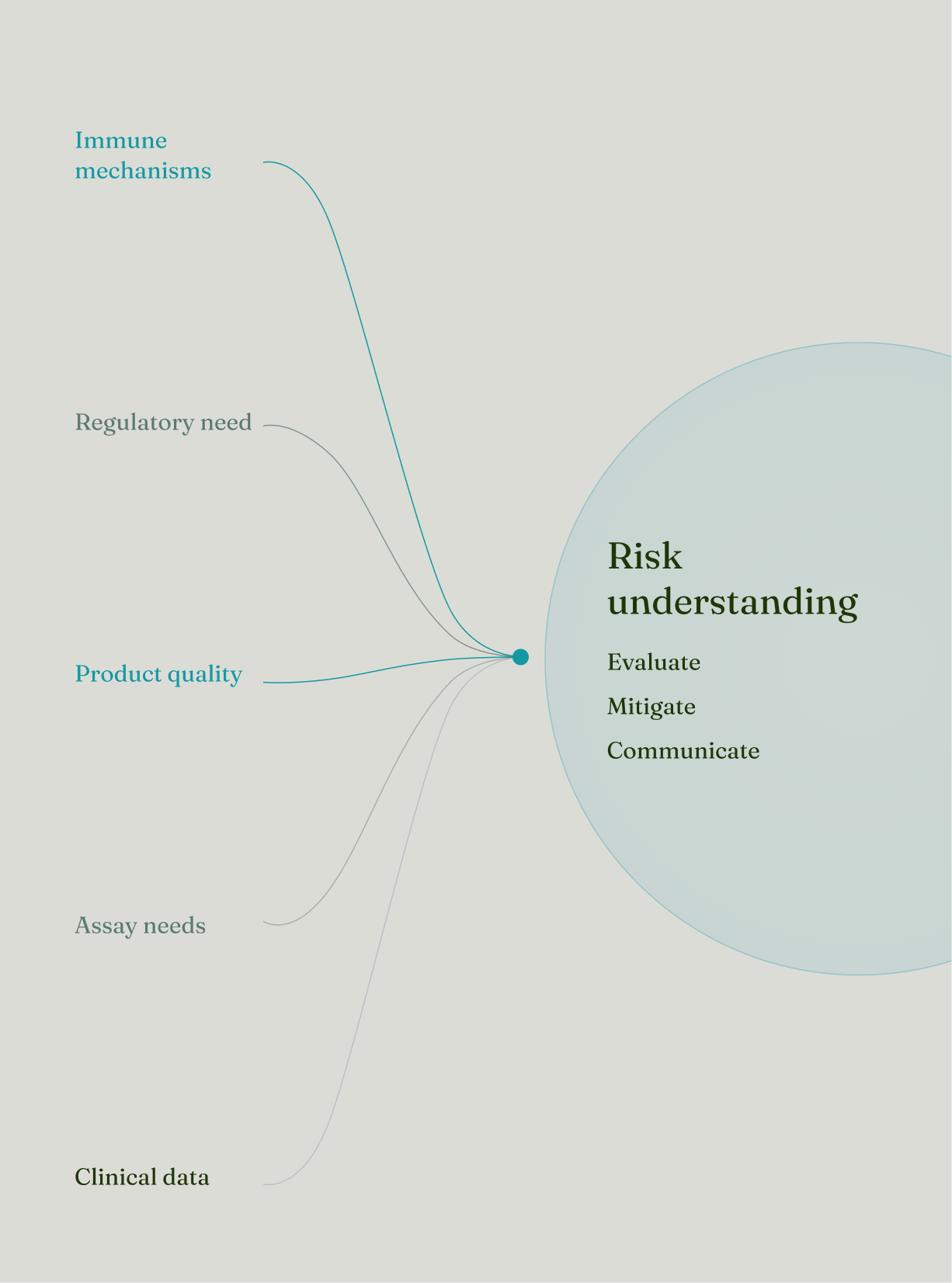
A question-based risk framework
Key questions include:
What immune mechanisms are most relevant for this product and indication?
Which product-quality or manufacturing factors may increase or modify risk?
Which non-clinical evidence is needed to understand or mitigate risk?
Which assays are needed, and what is their context of use?
What data are required to interpret immune responses meaningfully?
How should immunogenicity findings be linked to PK, PD, efficacy, safety, and benefit–risk?
What are the regulatory expectations at this stage of development?
Together, the answers guide practical evaluation, mitigation, monitoring, and communication throughout development.
Context-of-use thinking
Each method needs a clearly defined intended purpose a priori. The product, modality, therapeutic use, development stage, and regulatory question determine method adequacy to interpret relevant results..
The Context of Use (CoU) defines the question an assay is intended to address—for example, whether an immune response affects safety or exposure—how the resulting data will be used, and what decisions will be made based on that data. The CoU drives the level of bioanalytical work.
This perspective informs strategies for Immunogenicity PK/ PD, biomarkers, and innate immune-activation assessments. Assay performance, limitations, and confounding factors are evaluated in relation to the decision the evidence must support.
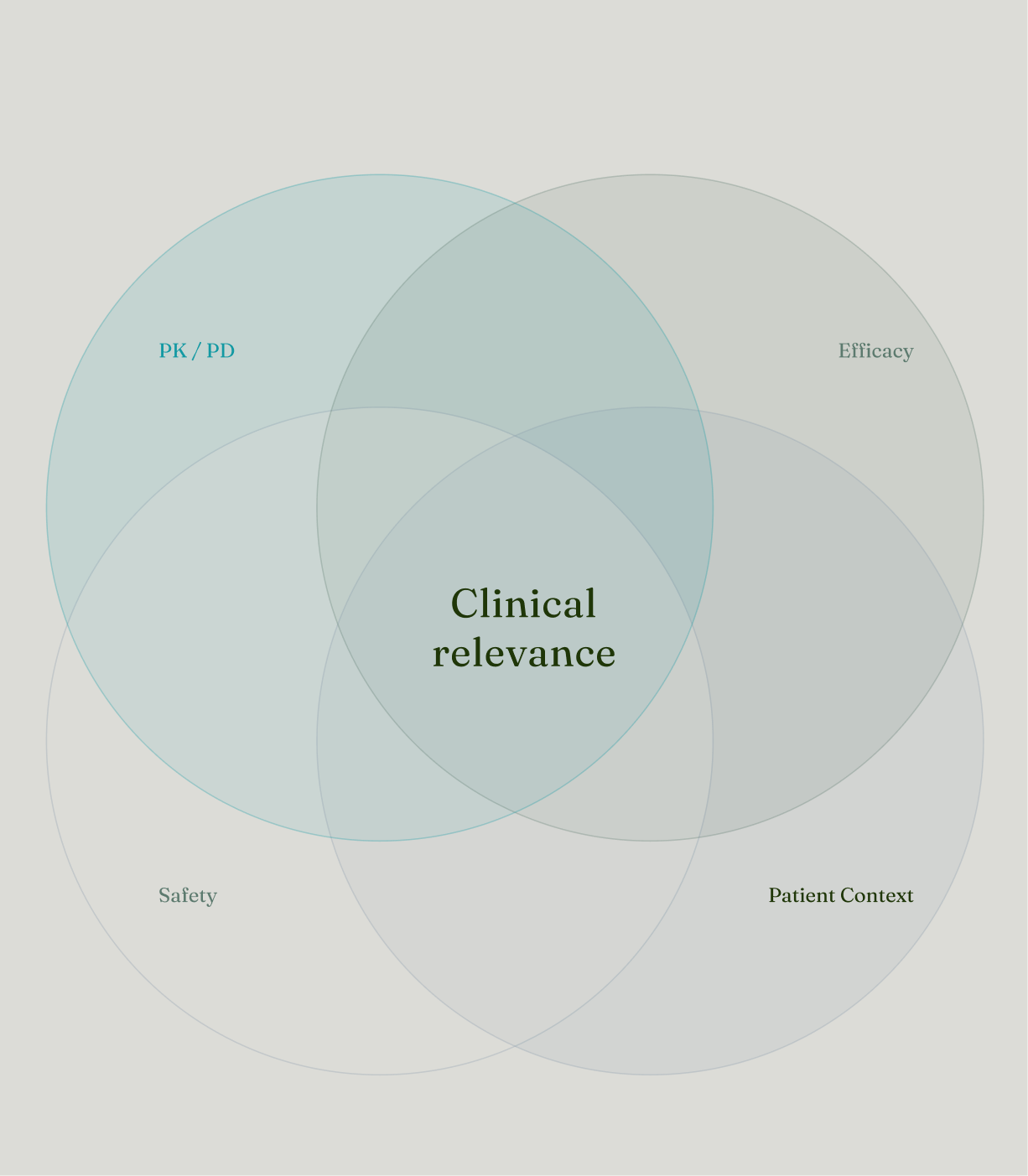
Clinical relevance
Immunogenicity findings are interpreted alongside clinical outcomes, integrating anti-drug antibodies (ADA) with pharmacokinetics (PK), pharmacodynamics (PD), biomarkers, efficacy, and safety read-outs.
This integrated interpretation helps determine whether an observed or potential immune response is clinically meaningful, and how it should inform development decisions, regulatory submissions, prescribing information, and risk management.
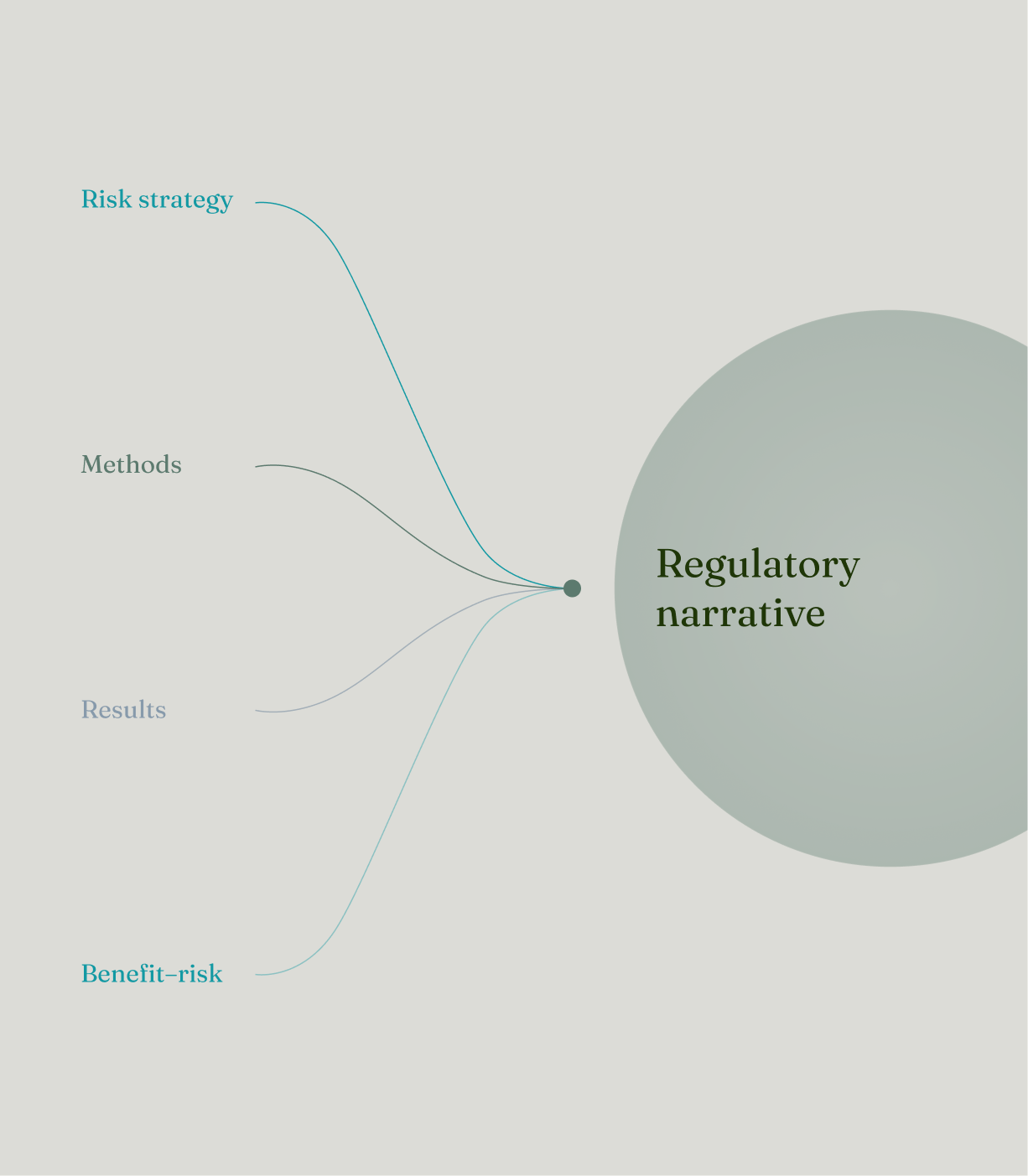
Regulatory interpretation & narrative
A clear scientific narrative connects the risk assessment, the rationale for the selected methods, the interpretation of results, the remaining uncertainties, and the impact on benefit–risk.
This narrative supports regulatory interactions, clinical trial applications, marketing submissions, responses to health-authority questions, and lifecycle-management decisions.
LAIZ partnership
Immunogenicity Integrated®, a trademark of LAIZ Regulatory Science Consulting SàRL, brings together independent consultants who share one vision of immunogenicity evaluation. Clients get a team matched to their program, working within a common framework.